A vase can do more than hold stems. The right vase styles establish scale, texture, and personality before a single flower is arranged. A sculptural ceramic piece can give a quiet console table a sense of intention, while a clear glass vessel can keep a dining table feeling light and open. The difference is rarely about choosing the most ornate object. It is about selecting a shape that belongs in the room.
For a home that feels collected rather than crowded, treat vases as decorative objects in their own right. Flowers are a lovely addition, but a well-chosen vessel should still earn its place when it is empty.
Vase Styles and the Feeling They Create
Every vase style carries a visual mood. Shape is the first cue: it tells the eye whether an arrangement will feel tailored, relaxed, dramatic, or understated. Material and finish then refine that impression.
A classic cylinder vase is clean, versatile, and easy to style. Its straight sides offer a composed look that works especially well with single-variety arrangements, such as tulips, roses, or leafy branches. Because the silhouette is simple, it suits contemporary rooms as easily as more traditional spaces.
Bud vases are smaller, more intimate vessels designed for a few stems. They bring a sense of care to a bedside table, powder room, or place setting without taking over the surface. Grouping several bud vases together creates a more generous display, but keep the palette consistent so the arrangement reads as intentional.
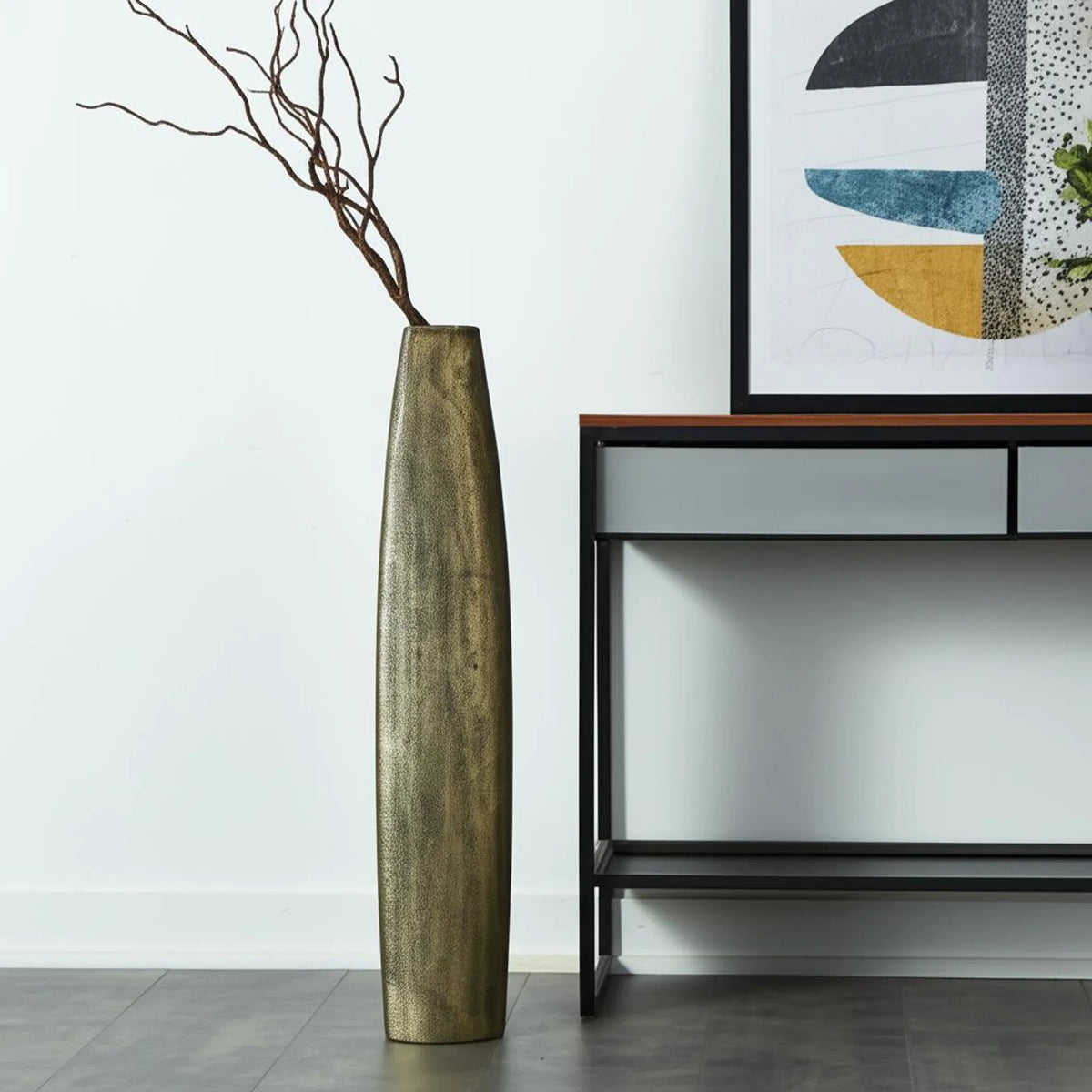
Bottle vases have narrow necks and a tall, elongated profile. They are particularly useful for a single branch, dried stems, or architectural flowers with strong lines. Their height adds vertical interest to low furniture, though they need breathing room. On a crowded shelf, a tall bottle vase can feel more like clutter than a focal point.
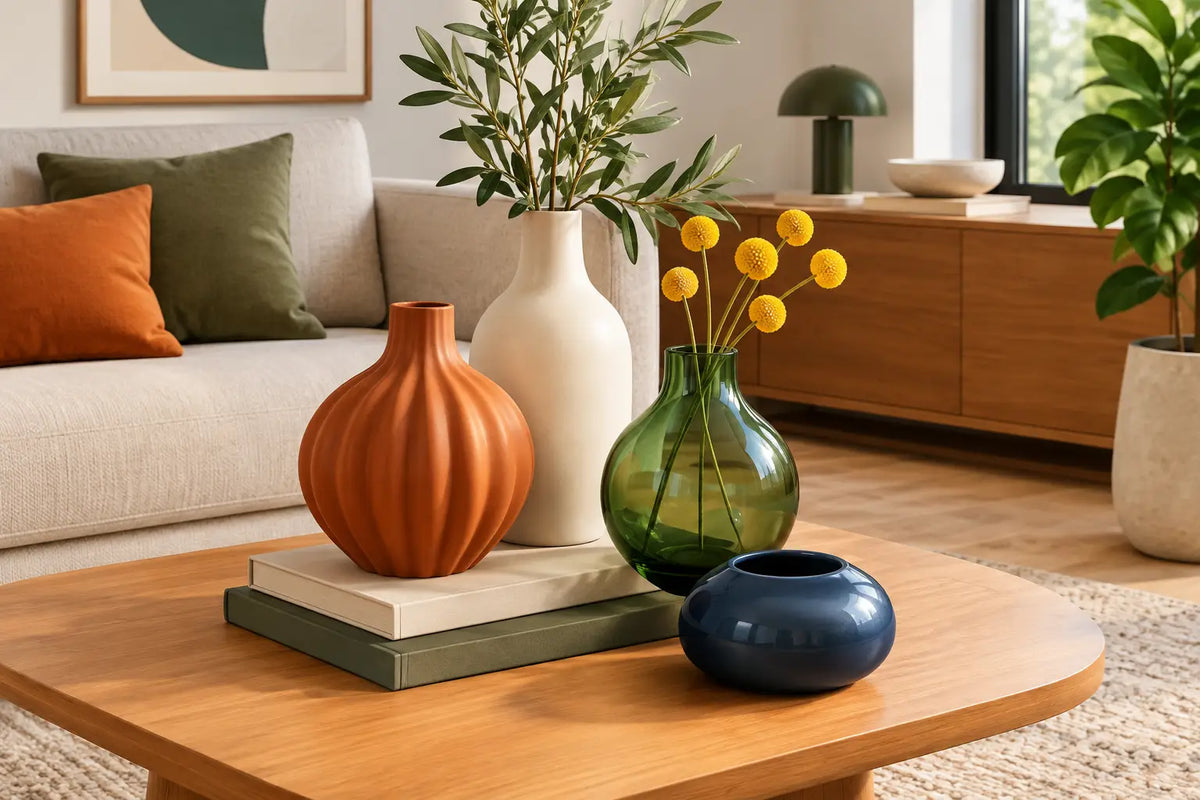
Rounded or globe vases soften a room. Their fuller bodies make them a natural choice for loose, garden-inspired arrangements, and their curves balance furniture with crisp edges. A round vase on a rectangular coffee table, for example, interrupts the straight lines in a pleasing way.
Trumpet and flared vases open wider at the top, giving fuller bouquets room to spread. They are often a good match for celebratory arrangements or larger dining tables, but proportion matters. A very wide opening can cause a small handful of flowers to splay awkwardly, so choose this silhouette when you have enough stems to support it.
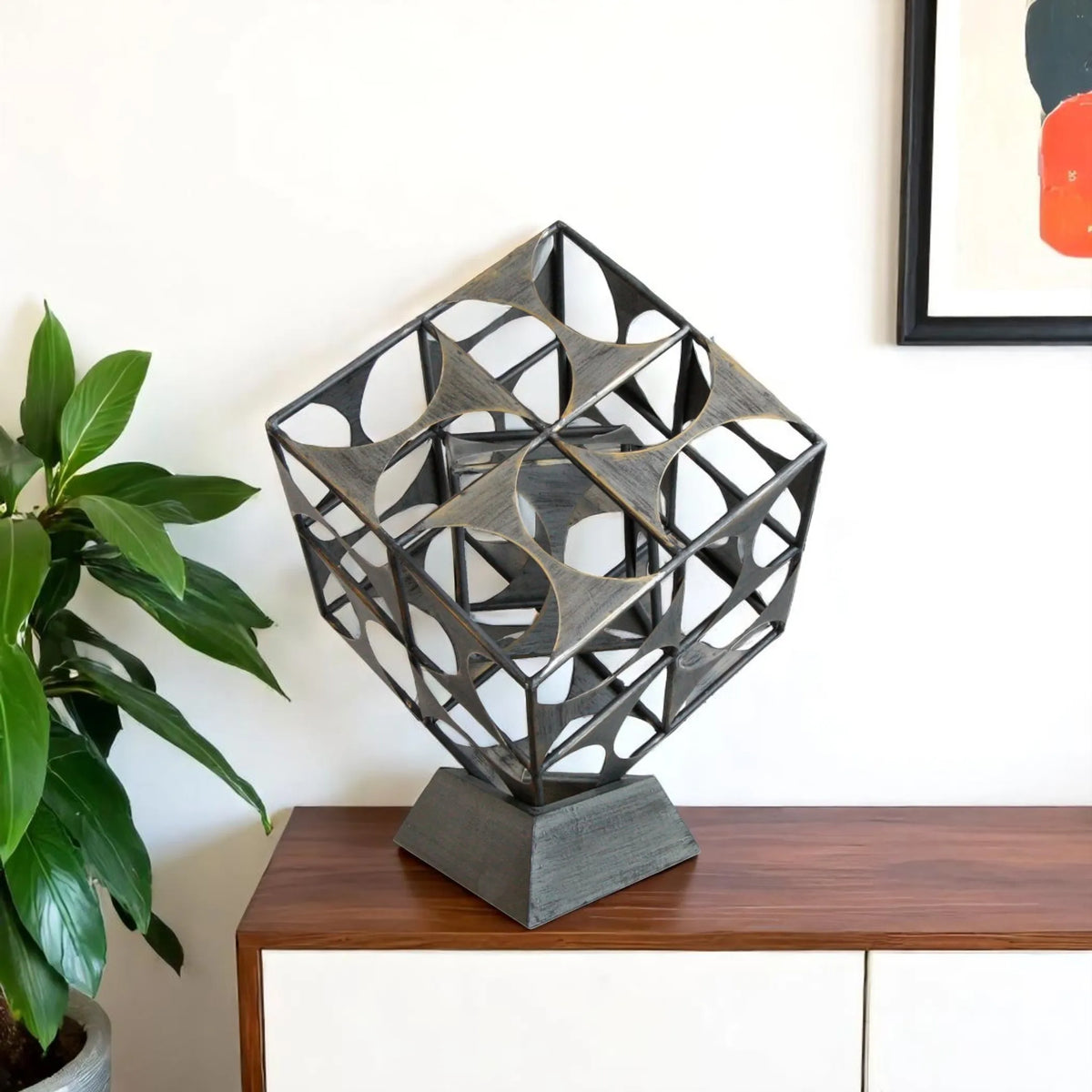
Sculptural vases are designed to make an impact even when empty. Think organic curves, asymmetrical profiles, cutout forms, or softly faceted surfaces. These pieces are ideal for a mantel, open shelf, or entryway table where the object itself can be appreciated. Their trade-off is practicality: a dramatic opening may not support every type of floral arrangement. That is perfectly fine if you choose it as art first and a flower vessel second.
Choose a Shape That Fits the Surface
The most beautiful vase can still feel misplaced if its scale does not suit the furniture beneath it. Start with the surface, not the stems.
On a dining table, prioritize a lower profile when the vase will remain during meals. Guests should be able to see one another without looking around an arrangement. A rounded vase, low bowl, or a small grouping of bud vases usually works well. For a longer table, repeat smaller vessels down the center rather than relying on one oversized bouquet.
A console table has more room for height. A tall bottle vase or substantial ceramic vessel can anchor one side, especially when balanced with a stack of books, a small lamp, or a decorative tray on the other. Avoid making both sides equally tall and equally heavy. A little asymmetry gives the arrangement a more lived-in elegance.
Coffee tables call for restraint. Choose a vase that sits below the natural sightline from the sofa, and leave enough open space for daily life. Low, rounded forms tend to feel especially welcoming here. If the table is already layered with books and objects, one simple vessel with a few branches is often all it needs.
Shelves invite more personality, but their limited depth requires care. Select compact forms with enough visual presence to hold their own among books and framed art. A matte ceramic vase can add welcome texture to a shelf styled mostly in wood, glass, or metal. Vary the height of nearby objects, but do not force every shelf into a perfectly matched arrangement.
Material Matters as Much as Shape
Glass, ceramic, metal, and stone-like finishes each communicate something different. Selecting a material that either echoes or gently contrasts the room will make the result feel considered.
Clear glass is timeless and visually quiet. It lets the stems become part of the display, making it a natural choice for fresh flowers with beautiful branches or foliage. Glass also works well in smaller spaces because it does not add much visual weight. The practical consideration is that water lines and stems remain visible, so it looks best when refreshed regularly.
Ceramic offers warmth, softness, and a handcrafted presence. Matte white, cream, sand, charcoal, and earthy tones are enduring choices because they support a range of seasonal flowers without competing with them. A glossy ceramic vase can bring a more polished note, while a textured or reactive glaze feels more artisanal. Since ceramic pieces often have a more substantial appearance, they can ground a large table or wide mantel beautifully.
Metal vases introduce sheen and structure. Brass-toned finishes can warm a room with deep wood, rich fabrics, or traditional details, while black metal feels crisp and modern. Use reflective finishes thoughtfully. In a room with many shiny surfaces, a metal vase may add too much visual activity. In a softer, matte setting, it can be the small point of contrast that brings the arrangement to life.
Stone, concrete, and plaster-look vases lend quiet weight. Their tactile surfaces work well in neutral interiors, layered spaces, and homes that favor organic materials. They are especially effective with sculptural branches, dried botanicals, or minimal arrangements. If your room already has heavy furniture or dark finishes, balance this weight with lighter flowers or a smaller silhouette.
Match the Opening to the Flowers
A vase is easier to use when its opening supports the arrangement you have in mind. This detail is often overlooked, yet it makes the difference between flowers that stand naturally and flowers that collapse outward.
Narrow-necked vessels are best for a few stems, single branches, or flowers with strong upright shapes. They help create a graceful arrangement with very little effort. Wider openings suit abundant bouquets and loose seasonal stems, but they may need floral frogs, tape grids, or additional foliage to keep everything in place.
For everyday styling, branches are one of the most dependable choices. Olive, eucalyptus, flowering stems, and seasonal foliage last visually longer than delicate blooms and give height without requiring a dense bouquet. In a sculptural vase, even one or two branches can feel complete.
Dried stems offer another option, especially for rooms where you want a display that stays put. Their colors should complement, not disappear into, the vase. Pampas grass and very full dried arrangements can easily overwhelm a modest vessel, so use them sparingly and give them room to breathe.
Build a Collection, Not a Matching Set
A home looks more personal when its vases relate to one another without being identical. Instead of purchasing several pieces in the same shape and finish, look for a shared thread: a family of warm neutrals, a repeated curve, or materials that complement each other.
For example, a collection might include a small clear glass bud vase, a medium matte ceramic vessel, and a taller textured vase in a similar sand tone. Each serves a different purpose, yet together they can move from room to room without feeling disconnected. This approach also makes seasonal styling easier. The same vessels can hold spring branches, summer flowers, autumn foliage, or stand empty through winter.
Quality matters here. A hand-selected vase with a balanced shape, considered finish, and dependable construction is more likely to remain in your home for years than a fleeting trend purchase. At Nobiliving, that sense of lasting, everyday elegance is central to a well-curated accent: it should feel special without becoming difficult to live with.
Let the Empty Vase Have Its Moment
Not every vase needs flowers every day. Empty vessels create pauses in a room, which can be just as valuable as color and abundance. A sculptural form on a bookshelf, a pair of small ceramics on a bedroom dresser, or a single glass vase catching afternoon light can make a space feel finished without adding visual noise.
When choosing among vase styles, trust the pieces that make you pause even before you picture the bouquet. A vase that looks beautiful empty will always give you more ways to make your home feel welcoming, composed, and distinctly your own.
Written and edited by Dave Nobil and the Nobiliving Staff with AI help.