A room can have beautiful furniture and still feel unfinished. Often, what it needs is not another practical item but a form with presence: the curve of a ceramic vessel, a hand-shaped object on a shelf, or a striking silhouette that catches the light. The best sculptural decor pieces do more than fill an empty surface. They give a room rhythm, personality, and a sense that every detail was chosen with care.
Sculptural accents are especially useful for creating a collected look without adding clutter. The key is choosing pieces with a clear point of view, then giving them enough visual space to be noticed. A single well-proportioned object can make a console, coffee table, or bookcase feel far more considered than a collection of small, unrelated accessories.
What Makes Decor Feel Sculptural?
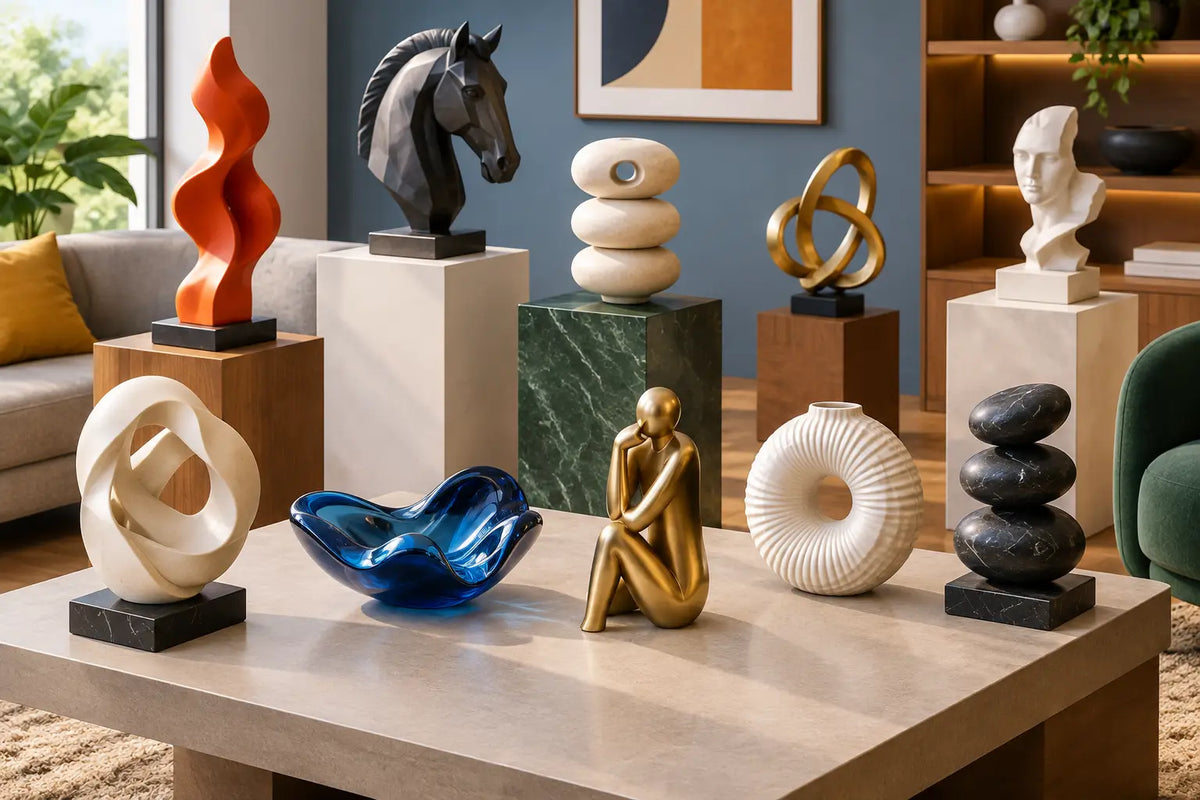
Sculptural decor is defined by form first. It may be functional, like a vase or candleholder, but its shape is compelling even when it is empty. Think rounded silhouettes, abstract figures, architectural lines, textured finishes, and materials that invite a closer look.
The most successful pieces create contrast with the room around them. A smooth alabaster-style object can soften a wood console. A black metal form can bring definition to a pale, linen-filled living room. A richly textured ceramic piece can add depth to an otherwise streamlined dining space.
Scale matters as much as style. Small sculptural accents work beautifully in pairs or as part of a shelf arrangement, while a larger object needs room to breathe. If a piece is visually strong, avoid surrounding it with too many competing shapes or colors.
The Best Sculptural Decor Pieces to Consider
1. Statement Ceramic Vases
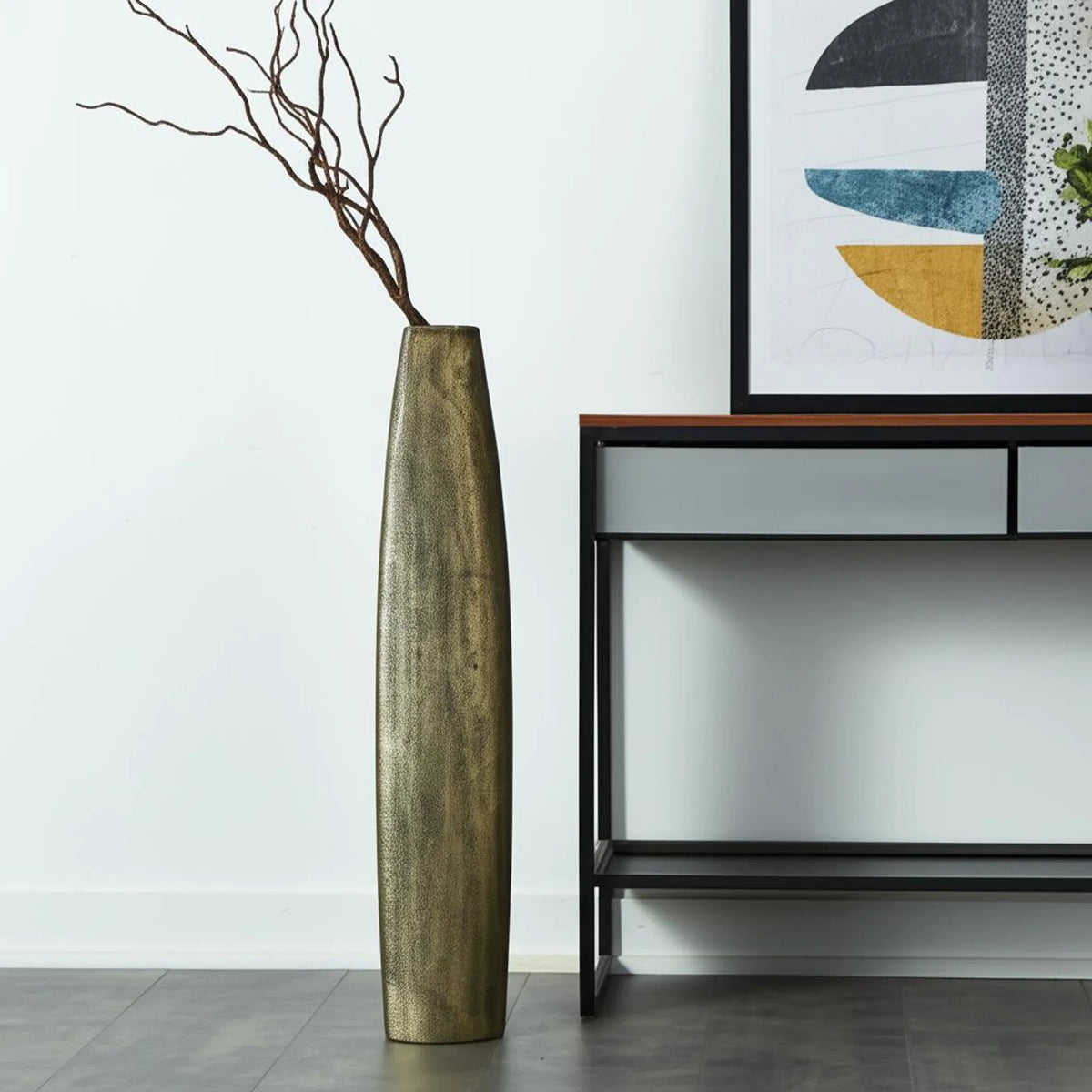
A sculptural vase is one of the most versatile accents in a home. It can stand on its own, hold a few natural branches, or anchor a grouping of books and smaller objects. Look for silhouettes with a narrow neck, an asymmetrical profile, soft handles, or a rounded body that feels artful from every angle.
Matte ceramic in ivory, sand, charcoal, or warm terracotta offers lasting appeal because it works with changing seasons and color palettes. A glossy finish can be equally effective in a more polished or dramatic room, though it tends to draw more attention and benefits from simpler surroundings.
2. Abstract Table Art
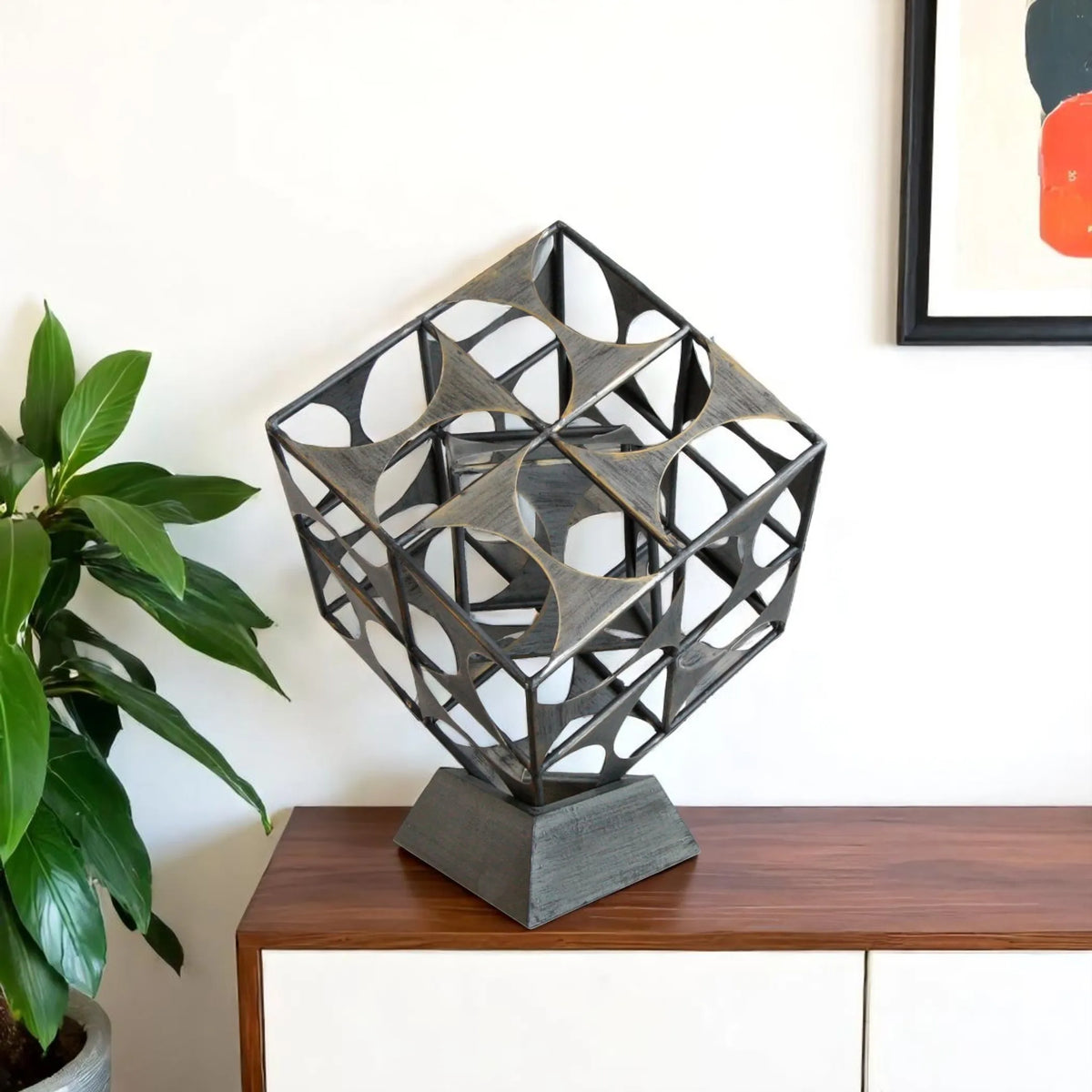
Table art is ideal when a surface needs definition but not another functional item. An abstract knot, interlocking ring, carved arch, or fluid metal figure introduces movement to a coffee table, desk, or entry console.
Choose table art that is substantial enough to read from across the room. On a coffee table, it often works best placed over a stack of large-format books or beside a low bowl. On a console, pair it with a lamp or vase rather than lining up several objects of the same height.
3. Decorative Trays With Architectural Form
A tray may be practical, but it can also serve as sculptural structure. Look beyond the standard rectangle for fluted edges, organic curves, raised rims, or materials such as stone-look resin, hammered metal, and richly grained wood.
On an ottoman or coffee table, a tray creates a visual boundary for a candle, small vase, and a favorite book. It makes the arrangement feel intentional while offering a graceful counterpoint to softer upholstery. Keep the contents restrained so the tray itself remains part of the composition.
4. Carved Bowls and Pedestal Vessels
A broad decorative bowl brings a quiet sense of abundance to a dining table, kitchen island, or entryway. The sculptural version is defined by its profile: a low, generous bowl, a faceted edge, or a raised pedestal base that gives it presence.
Empty bowls can be just as effective as filled ones. If you add objects, use a simple grouping of natural elements, such as dried botanicals or a few pieces of fruit, rather than overfilling the vessel. The bowl's shape should remain visible.
5. Modern Candleholders
Candleholders are a small detail with real visual impact. Tall taper holders bring verticality to a dining table or mantel, while low, rounded holders create warmth on a coffee table or bathroom counter. Sculptural designs in twisted, arched, stacked, or geometric forms are especially effective when displayed in a pair.
There is a practical trade-off here. Highly ornate candleholders can feel festive or formal, while simpler shapes tend to work year-round. If you prefer a more flexible home, choose a design with an interesting outline in a neutral finish.
6. Object-Style Bookends
Bookends are an easy way to turn everyday storage into a styled moment. Stone-inspired forms, abstract figures, curved metal shapes, and substantial geometric blocks can give a bookshelf a more finished appearance while keeping favorite titles organized.
They work best when the books have room to stand naturally between them. Overcrowding a shelf reduces the effect. Leave a little negative space nearby, then add one contrasting item, such as a small vase or framed artwork, to create balance.
7. Textured Wall Art
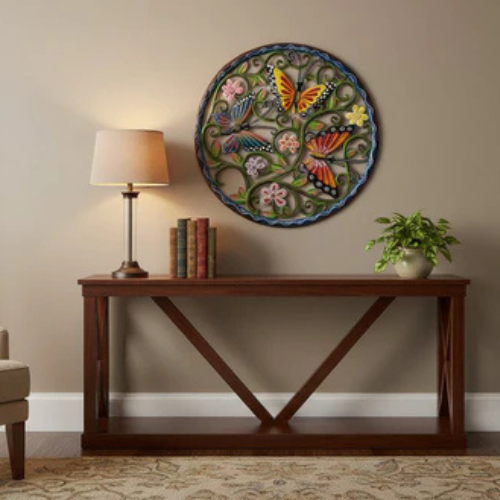
Sculptural decor does not have to live on a tabletop. Dimensional wall art introduces depth where a flat print may feel too expected. Consider relief-style designs, raised geometric forms, woven textures, or framed pieces with visible layers and tactile materials.
This choice is particularly helpful in rooms with simple walls and understated furniture. A single dimensional piece above a console or bed can establish a focal point without relying on bold color. Before choosing a scale, measure the wall and consider the furniture beneath it. Too-small art tends to disappear, even when the design itself is beautiful.
8. Decorative Shelving with Form
Wall shelves and freestanding display shelves can be sculptural in their own right. Curved brackets, asymmetrical compartments, fluted surfaces, and clean architectural frames bring dimension to a room before anything is placed on them.
The shelf should support the overall room, not become a storage problem in disguise. Style it with a limited mix of books, vessels, and small objects, varying height and texture. A hand-selected shelf arrangement feels relaxed when it includes open space rather than every surface being filled.
9. Accent Lighting with a Distinctive Silhouette
A lamp is often the largest decorative object on a side table, so its shape deserves attention. A sculptural base in ceramic, stone-look resin, metal, or glass can serve as functional art during the day and create a warm layer of light at night.
For a calm, refined look, pair a substantial lamp base with a simple shade. The contrast lets the form take center stage. In a room with ornate furniture or patterned textiles, a clean-lined lamp can prevent the space from feeling overly busy.
10. Figurative Objects Used Sparingly
Figurative sculpture can make a home feel personal and expressive, whether it is a stylized face, hand, animal, or human form. These pieces work best when they feel intentional rather than novelty driven.
One well-made figurative object on an entry table or bookcase can become a conversation piece. Several different figurines clustered together can quickly feel scattered, so let one meaningful silhouette lead. This is an area where quality you can count on matters: subtle finishes and thoughtful proportions make all the difference.
How to Place Sculptural Decor Without Creating Clutter
The best sculptural decor pieces need contrast and breathing room. Begin by identifying one surface that feels flat or unfinished, then choose one anchor piece. From there, add only what helps the composition: perhaps a stack of books, a smaller companion object, or a lamp with a different material and height.
A useful styling rule is to vary shape, scale, and finish. If your vase is rounded and matte, add something more linear or reflective nearby. If your table art is dark metal, balance it with a lighter ceramic or natural wood element. Matching every object too closely can make a display feel more like a store fixture than a lived-in home.
Consider the room's purpose, too. Dining tables benefit from low pieces that preserve sightlines. Entry consoles can carry taller, more dramatic accents. Bedrooms call for softer forms and fewer objects, while living rooms can handle a stronger mix of texture and scale. It depends on how much visual activity is already present in the room.
Choose Pieces You Will Notice Every Day
Trend-driven shapes can be fun, but the most rewarding sculptural decor has staying power. Choose materials, finishes, and forms that feel connected to your home rather than simply new. A thoughtfully selected vase, light, shelf, or table object becomes part of the daily experience of a room - a small reminder that beauty can be practical, personal, and worth living with.
Written and edited by Dave Nobil and the Nobiliving Staff with AI help.