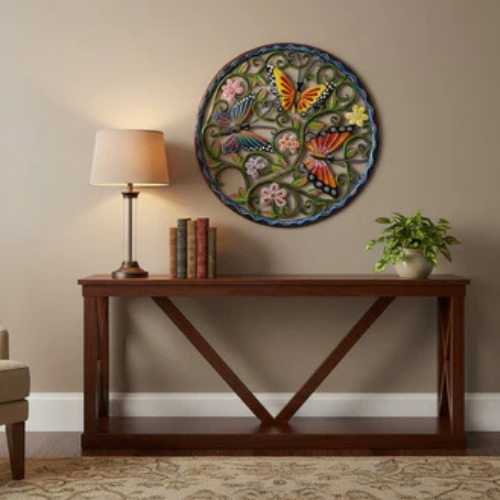

A sculptural vase may look perfectly proportioned on a product page, yet feel too small for the console table waiting at home. A throw can have the right color but a texture that is not quite what you imagined. That is why return policies matter so much when shopping for home decor online: they give personal decisions room to stay personal.
For design-conscious shoppers, a return policy is not merely fine print. It is part of the purchasing experience. It shows whether a retailer stands behind the pieces it offers, communicates clearly when something needs to come back, and treats a customer’s home with the same care it brings to its product selection.
Why Return Policies Matter for Home Decor
Home accents are chosen in context. A table lamp has to work with the scale of a room, the warmth of existing finishes, and the way light falls after sunset. Wall art should feel right beside the furniture and colors already in place. Even a small decorative object can shift the balance of a shelf or coffee table.
That reality makes online shopping wonderfully convenient, but it also introduces a reasonable degree of uncertainty. Product photography, measurements, material details, and reviews can help shoppers make informed choices. They cannot fully replace seeing a piece in the intended space. Clear return terms acknowledge that distinction without making the process feel complicated or impersonal.
A well-written policy also signals operational care. It tells shoppers how long they have to decide, what condition an item should be in, how a return is initiated, and whether there may be exceptions. When those details are easy to find and easy to understand, customers can focus on selecting pieces they will enjoy rather than worrying about what happens if a purchase is not the right fit.
What Clear Return Policies Should Explain
The best policies are specific without being difficult to read. Before placing an order, take a moment to look for the practical details that shape a return experience.
The return window
A return window is the period in which a retailer accepts a request or receives the item back. The distinction matters. Some retailers require a customer to start the return by a certain date, while others require the package to be delivered back within that time. Knowing which standard applies helps avoid an unnecessary last-minute rush.
The right window depends on the product. A small accent piece may be easy to assess right away. A larger decor item may need a little more time to be unboxed carefully, placed in a room, and considered alongside existing furnishings. What matters most is that the timeframe is stated plainly.
Item condition and original packaging
Most retailers ask that returned products be unused, undamaged, and sent back with their original packaging. This is particularly reasonable for home decor, where protective materials help ensure an item can travel safely and remain suitable for another customer.
Keep boxes, inserts, wrapping, and documentation until you are confident in your choice. Avoid removing tags, discarding protective materials, or using an item in a way that prevents resale if you are still deciding. This small habit protects both your options and the condition of carefully made goods.
Non-returnable items and exceptions
Some products may have different terms because of their size, final-sale status, custom nature, hygiene considerations, or shipping requirements. Large or fragile items can also require special handling. These exceptions should never be buried in vague language.
A transparent retailer explains the category, the reason for the exception when appropriate, and the steps a shopper should take if an item arrives damaged. An exception is not automatically a concern. Unclear exceptions are. The goal is to understand the terms before an item becomes part of your cart.
Refunds, exchanges, and return shipping
A policy should explain whether eligible returns are refunded to the original payment method, offered as store credit, or handled through an exchange process. It should also address return shipping costs, shipping label instructions, and the expected processing time once the item arrives back.
There is no single approach that fits every boutique or every product category. A customer may prefer an exchange when choosing between two finishes, while a refund makes more sense when a piece does not work in the room at all. Clarity allows shoppers to make decisions with realistic expectations.
How to Shop With More Confidence Before You Order
A return policy should provide reassurance, not replace thoughtful purchasing. A few careful checks can reduce the likelihood that an item needs to come back in the first place.
Start with measurements. For decorative shelving, lighting, wall art, and tabletop accents, use painter’s tape or a sheet of paper to map out the dimensions where the piece will live. This simple step often reveals whether an item will read as substantial, understated, or out of scale in the room.
Then consider materials and finish. A polished metal accent may bring welcome contrast to a soft, neutral setting, while a ceramic vase can add a quieter sense of texture. Read the description closely and compare product dimensions with objects you already own. A styled photo is helpful inspiration, but your own space should make the final decision.
For textiles, think beyond color. A blanket or throw may need to be more decorative than cozy, or more durable than delicate, depending on how it will be used. If the item is a gift, allow extra time for delivery and for any possible return or exchange process. Giving someone a beautiful piece for their home should feel generous, not time-sensitive.
If an Item Arrives Damaged or Incorrect
Damage in transit is different from changing your mind about a purchase, and a thoughtful policy should make that distinction easy to navigate. Inspect an order soon after delivery, especially when it contains fragile decor. Retain the box and internal packaging until you have checked the item fully.
If something arrives damaged, photograph the product, the packaging, and the shipping box before disposing of anything. If the wrong item arrives, photograph the item and confirm the order details. These records allow a support team to understand the situation quickly and work toward an appropriate resolution.
Reach out through the retailer’s stated customer service channel rather than attempting a return without instructions. For items that require special shipping care, the retailer may need to provide specific packing or carrier guidance. A prompt, well-documented message gives everyone the best chance of resolving the issue smoothly.
A Return Process Should Feel Personal
Boutique shopping is about more than finding something attractive. It is about choosing with intention and feeling confident that there are real answers and real accountability behind the order. Nobiliving’s approach to curated home styling rests on that same principle: hand-selected design should be paired with straightforward service and quality you can count on.
A policy cannot promise that every piece will suit every room. Nor should it. Taste, proportions, and daily life are individual. What it can do is create a fair path forward when a product is not the right fit, while protecting the craftsmanship, packaging, and careful handling that make online home shopping possible.
Before your next purchase, read the return terms with the same attention you give a product’s dimensions and finish. Then keep the packaging, style the piece thoughtfully, and give yourself the space to decide whether it truly belongs in your home.
Written and edited by Dave Nobil and the Nobiliving Staff with AI help.